Why tiny goals are easier to keep than big plans
Every January, a lot of people make big plans: run three times a week, cook every night, meditate for twenty minutes before work. By February, many of those plans have gone quiet. The plans are rarely the problem, and willpower is rarely the cause. Big plans ask for a lot of energy on every single day, including the tired ones, and the tired days always come. Tiny goals ask for so little that they survive those days, and surviving the hard days is what turns a goal into a habit.
What the research says about how habits form
The best-known study on habit formation comes from University College London. In 2010, Phillippa Lally and her colleagues asked 96 volunteers to pick one new daily behaviour, such as eating a piece of fruit with lunch or drinking a bottle of water with a meal, and to track it for 12 weeks. On average, it took 66 days for the behaviour to feel automatic, and the range ran from 18 days to 254. Eating and drinking habits tended to settle sooner than exercise habits. The study also found that missing a single day did not undo the progress people had made.
Two findings from that study matter most for anyone setting goals. First, habits take weeks, not days, so a plan has to survive many ordinary and difficult days. Second, a missed day is not a reset. The never-break-the-chain idea behind so many streak counters is not what the research shows. Treating one missed day as a failure can make people quit a habit that was still forming.
Why small goals survive bad days
A goal survives when the effort it asks for stays below the energy you have on most days. A twenty-minute run needs time, clothes, decent weather and motivation all at once, and on a busy or low day one of those is usually missing. A glass of water needs about thirty seconds and nothing else. The Stanford researcher BJ Fogg built his Tiny Habits method on this idea: make the behaviour so small that motivation hardly matters, then let it grow on its own. On a good day, a tiny goal often leads to more, because starting is the hardest part. On a slow day, the tiny goal is enough, and the habit keeps its place in your routine.
Small goals also protect how you feel about yourself. Each tick is a small piece of evidence that you follow through, and that evidence adds up over weeks. A big plan that collapses in week three tends to leave the opposite feeling behind. If your energy goes up and down, our guide to self-care on a low-energy day has a list of goals small enough for the slowest days.
How to write a tiny goal that sticks
A good tiny goal is specific, short and tied to something you already do. Fogg calls the existing routine an anchor. The psychologist Peter Gollwitzer's research on if-then plans points the same way: a goal with a clear trigger is easier to follow than a goal with only a wish behind it. Use this checklist when you write one:
- It takes under two minutes. Stretching for one minute beats a plan to do yoga.
- It has a clear finish. You know when it is done, so you can tick it and move on.
- It hangs on an anchor. After I put the kettle on, I drink a glass of water.
- It is something you want. Pick goals for your own reasons, not because a list told you to.
- It fits your worst day. If you could not do it on a tired day, make it smaller.
Write each goal down in that anchor form and keep it where you will see it. Start with two or three goals at most. More goals spread your attention thin, and a short list that you finish feels better than a long list that you do not. You can add a goal later, once the first ones run on their own.
Growing a goal without breaking it
Once a tiny goal feels automatic, usually after a few weeks, you can let it grow. Grow it in small steps, and only one goal at a time. One minute of stretching can become three, and a glass of water at breakfast can gain a second one at lunch. If a bigger version starts to slip, go back to the smaller one for a while. The aim is a habit that lasts for years, so there is no prize for growing it fast. A habit that stays small and steady beats a big one that stops. Before you keep a bigger version, check it against your worst day, the same test you used for the first goal.
Where PlushieCare fits
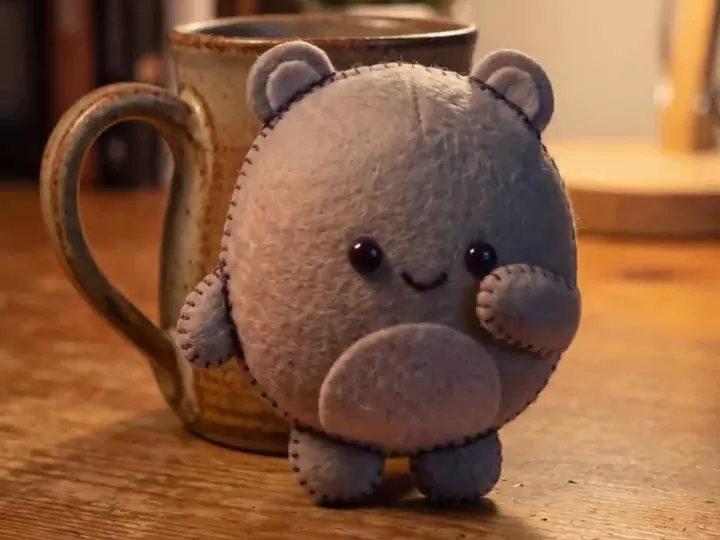
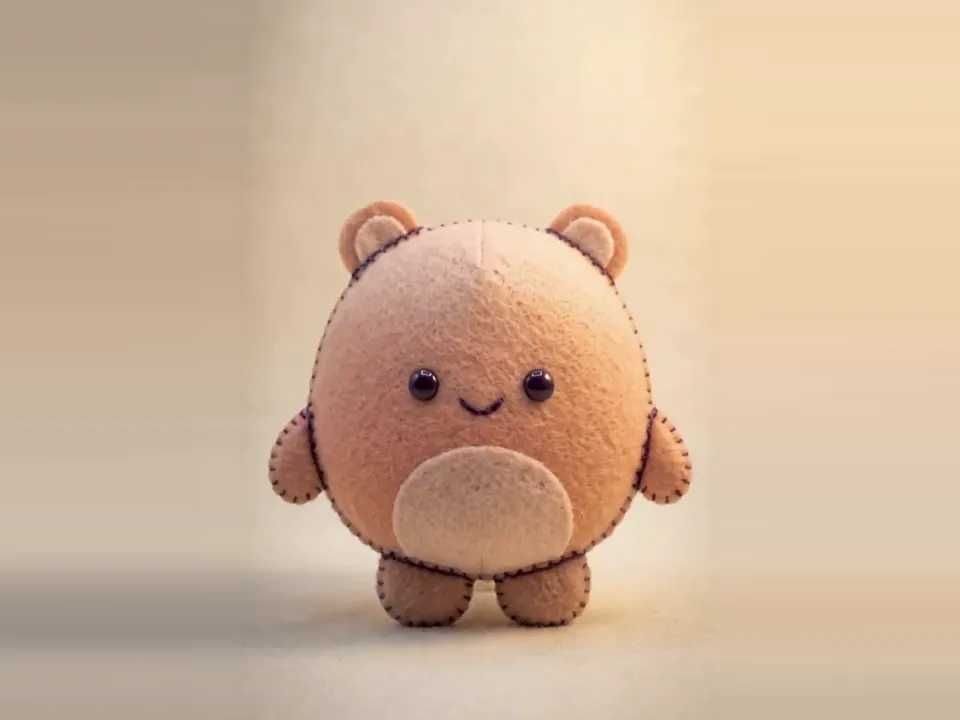
PlushieCare is built around tiny goals. You choose a few small goals that fit your life, tick them when they are done, and each tick gives off a glow that mends a patch of the Patchwork, a felt world far away. The home page shows how it works in three steps. There is no streak to break: a free rest day comes every week, and after a long break your plushie is glad you are back. That design follows the research above, where a missed day is part of building a habit and not the end of it. We explain the thinking behind it in what makes a self-care app kind.